

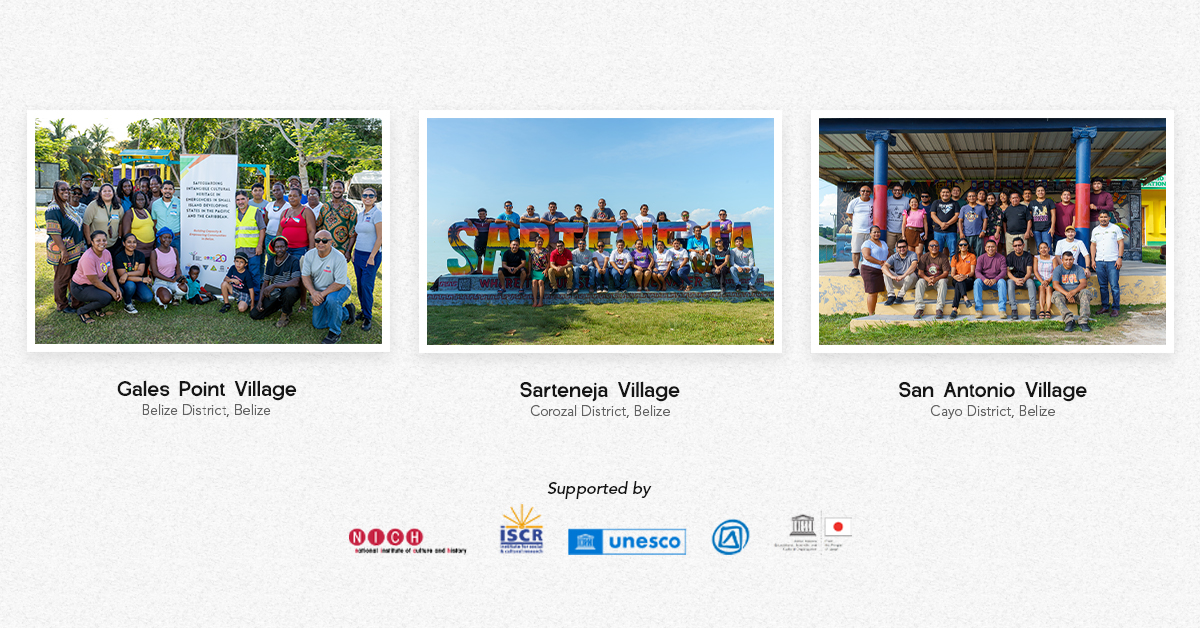
Building on Phase One of the UNESCO project “Capacity Building for Safeguarding Intangible Cultural Heritage in Emergencies in Small Island Developing States in the Pacific and the Caribbean,” the National Institute of Culture and History, through the Institute for Social and Cultural Research (NICH ISCR), has completed a new round of trainings, community capacity-building workshops, and community-based inventorying activities in Belize.
Phase 2 was designed to move beyond awareness and into applied practice. The focus was clear: strengthen the ability of communities and national stakeholders to identify, document, and safeguard living heritage that supports disaster preparedness, response, and recovery.
What we did
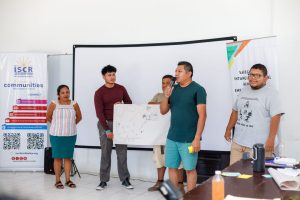
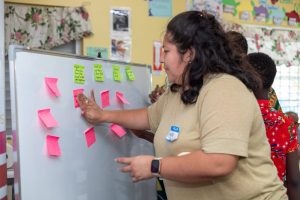
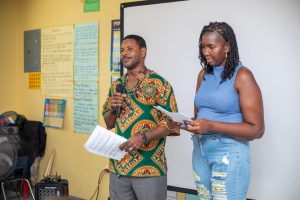
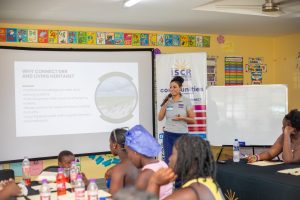
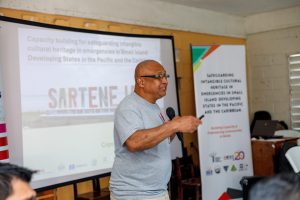
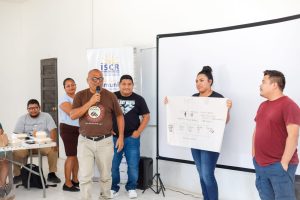
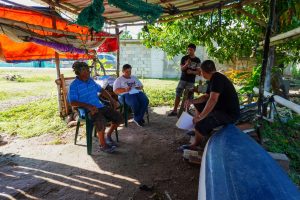
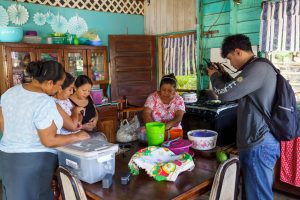
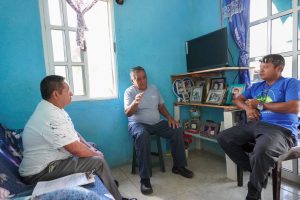
During November 2025, NICH ISCR implemented community trainings and supervised inventorying activities in three pilot communities:
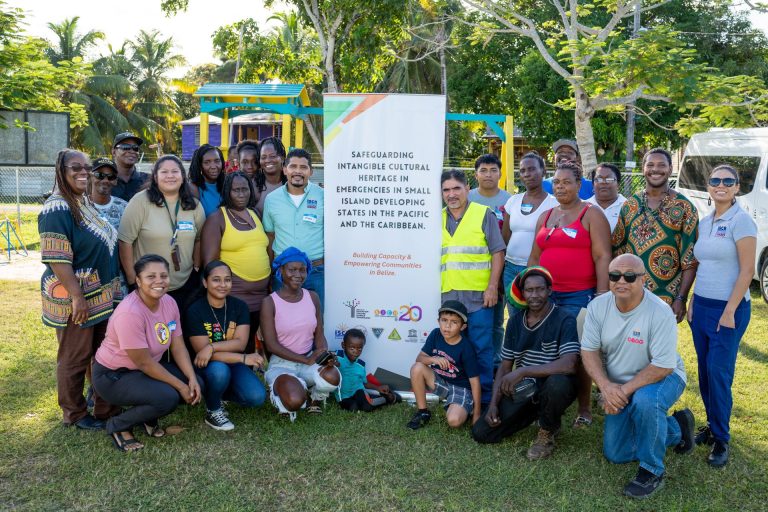
- Gales Point Village
Capacity-building workshop: 2 November
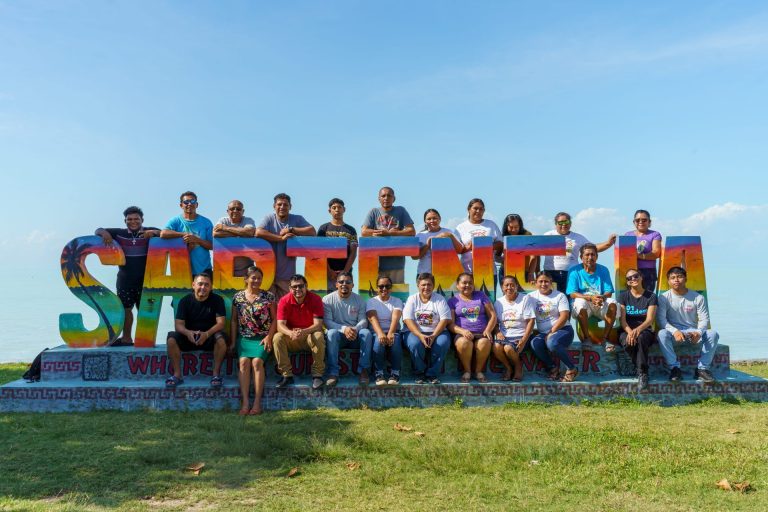
Community inventorying: 8 & 9 November - Sarteneja Village
Capacity-building workshop: 15 November
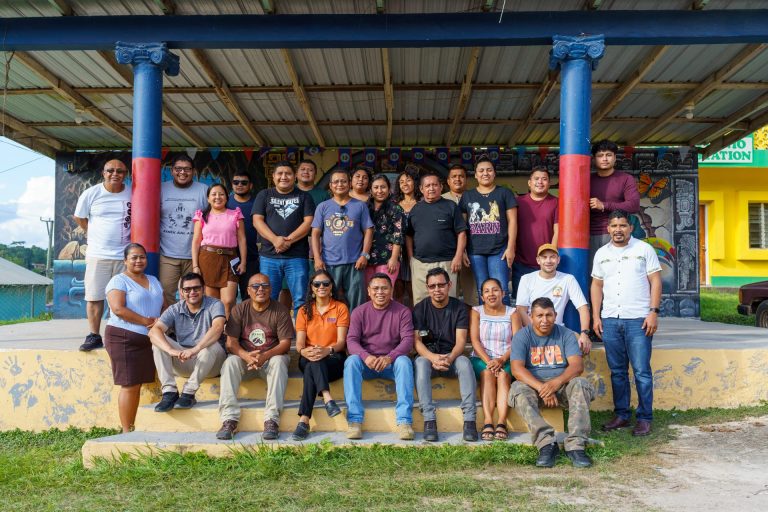
Community inventorying: 16 November - San Antonio Village, Cayo
Capacity-building workshop: 22 November
Community inventorying: 23 November
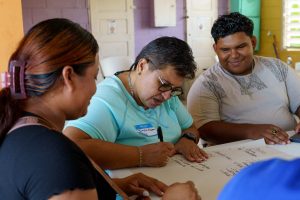
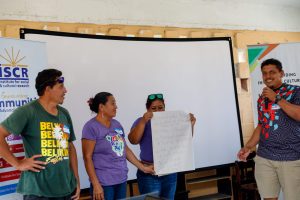
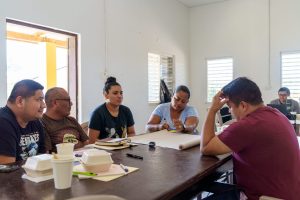
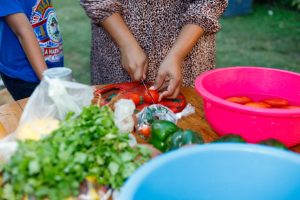
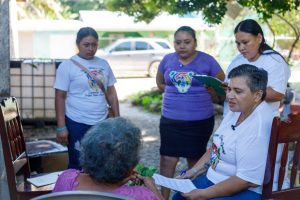
Across these sessions, community leaders, cultural practitioners, and participants strengthened their capacity in safeguarding and in applying community-based methods for documenting living heritage, with a specific focus on how cultural practices contribute to resilience in times of disruption.
What we learned from communities
One of the strongest outcomes of this project was the opportunity to see, clearly and directly, how living heritage supports resilience at the community level.
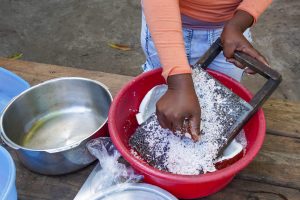
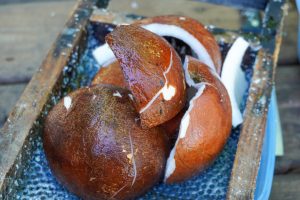
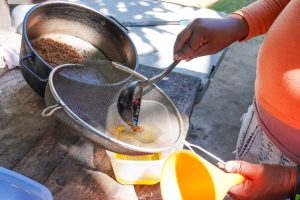
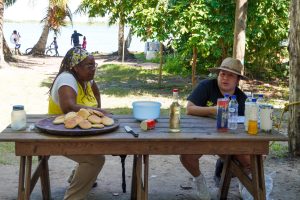
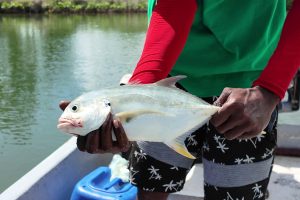
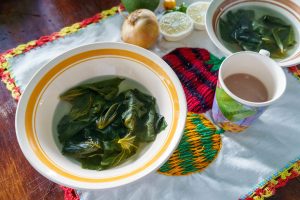
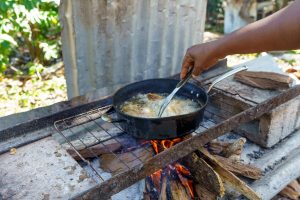
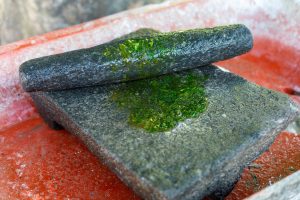
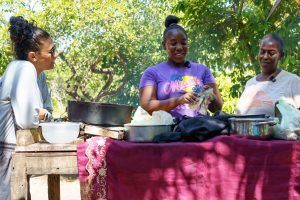
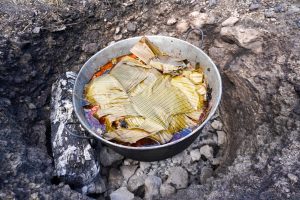
In Gales Point, the community’s close relationship with fishing traditions and the use of coconut resources reflects cultural and environmental respect and stewardship. These practices are not only cultural expressions, they are also practical forms of knowledge that support households everyday livelihoods and during difficult times.
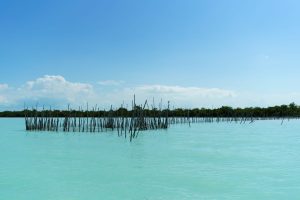
In Sarteneja, the intergenerational transmission of traditional boat construction and fish-trap practices highlights a deep connection to fishing heritage. This knowledge remains central to community identity in northern Belize and supports livelihoods that are closely tied to the sea.
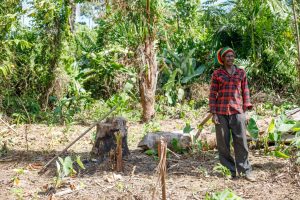
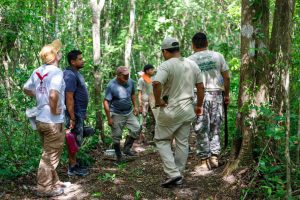
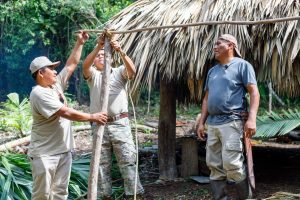
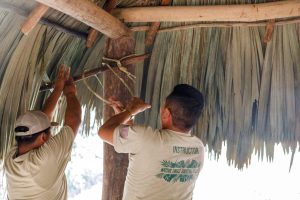
In San Antonio, Yucatec Maya traditions expressed through traditional home-building practices demonstrate how cultural knowledge is woven into everyday life. These practices carry techniques and values that are directly relevant to safety, shelter, and community strength during and after extreme events.
Expanding reach through peer-led inventories
Beyond the three pilot communities, Phase 2 also supported peer-led inventories in additional locations, including the Belize River Valley communities, Belize City, Belmopan City, and San Miguel, Toledo. This extension was important because it showed that once people understand the tools and the consent-based approach, they can apply the work within their own communities.
Who benefited
Collectively, the project trained more than 80 individuals. Participants gained practical skills in identifying and documenting ICH practices and in understanding how traditional knowledge and cultural practices contribute to resilience, preparedness, and recovery. Most importantly, communities remained active drivers of the process through their selection of what should be documented, who should be interviewed, and what information should be shared publicly.
Why it matters
Disasters are not only physical events. They also disrupt social systems, knowledge transmission, livelihoods, and the everyday practices that help communities adapt and recover. This project strengthens Belize’s national efforts by helping to integrate cultural resilience into broader disaster risk reduction thinking, and by supporting the documentation of living heritage that communities themselves identify as vital.
Acknowledgements
NICH ISCR extends sincere thanks to the Belize Ministry of Culture and the UNESCO Japanese Funds in Trust for their support and funding. We also acknowledge the valuable collaboration of community leaders and practitioners in Gales Point, Sarteneja, and San Antonio, and the peer-led teams who expanded the inventorying work to additional communities.




What comes next
NICH ISCR will continue to refine and monitor the inventories as living documents, with ongoing community participation. We will also continue strengthening collaboration with disaster risk reduction partners so that living heritage becomes a practical part of preparedness planning and community resilience building in Belize.
Written By Rolando Cocom
Director of NICH-ISCR
